
Key Takeaways
- Myopia, also called nearsightedness, means close objects look clear while distant ones look blurry.
- Myopia often arises when the eye grows too long or the corneal curve is too steep.
- Nearsightedness tends to run in families, and risk rises when both parents are nearsighted.
- Long hours of close-up work, extended screen time, and limited outdoor time are linked to higher risk.
- Myopia often starts in childhood and frequently stops progressing in the 20s.
- An eye exam can confirm nearsightedness and recommend a management strategy.
Why Distant Things Look Fuzzy
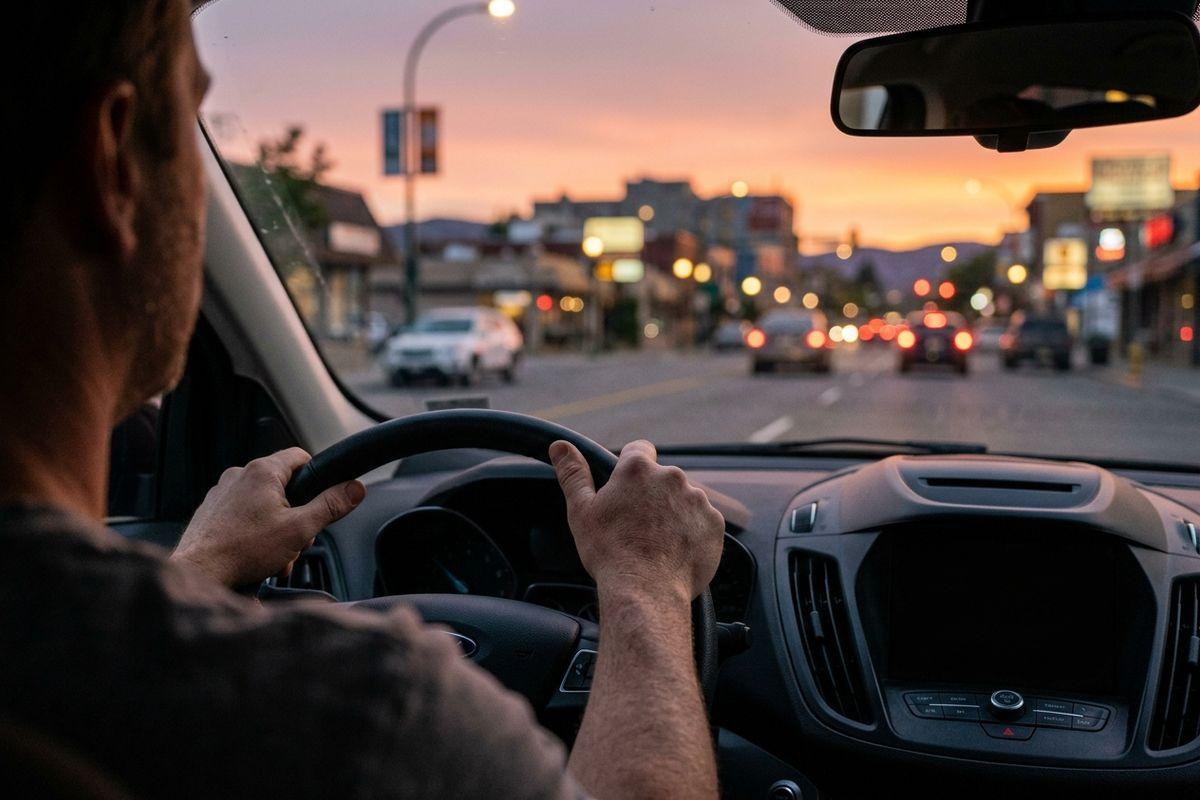
You’re driving home along Harvey Avenue and the sign you need is a soft grey blur until you’re almost past it. Meanwhile, the text on your phone sits crisp and clear in your lap. Our team at Tutt Street Optometry sees this kind of mismatch between near and far vision often. In fact, it’s one of the most common vision changes of them all: myopia.
Myopia happens when the eye grows too long, causing light to focus incorrectly. The condition is influenced by family history and daily habits like close-up work and time spent outdoors, and it usually develops in children.
What Myopia Means for Your Vision
Myopia is the clinical name for what is often called nearsightedness. It usually happens when the eye grows too long from front to back, though sometimes it happens when the cornea (the front of your eye) is curved too steeply or the lens (inside your eye) doesn’t focus light to the proper distance. This changes how light is focused, causing blurry distance vision but not affecting vision up close.
Main Factors Behind Myopia
Family History
Nearsightedness tends to run in families. If one parent is nearsighted, the risk goes up for their kids. When both parents are nearsighted, that risk climbs higher still. It’s worth mentioning your family’s vision history at an eye exam, because it helps shape how closely your child’s eyes get tracked over time.
Daily Habits and Surroundings
For children, daily habits influence myopia risk. The major contributing factors include:
- Long stretches of close-up work, such as reading, homework, or detailed hobbies.
- Extended screen time.
- Limited time outdoors.
- Staying up too late at night
No one element causes myopia, but both genetics and lifestyle choices can make it more or less likely to develop.
When Myopia Usually Starts & How It Progresses
Myopia often shows up during childhood or the teen years, which is why struggles in the classroom are such a common first clue. Children’s eyes often change noticeably from one school year to the next.
For many people, vision frequently steadies somewhere in the 20s, once the eyes stop growing.
Signs of Myopia to Watch For
Signs in Adults
The clues tend to show up in ordinary moments, not dramatic ones.
- Trouble reading street signs or store signage from a normal distance.
- Squinting, headaches, or tired eyes by the end of the day.
- Blurry vision while driving at night.
Signs in Kids
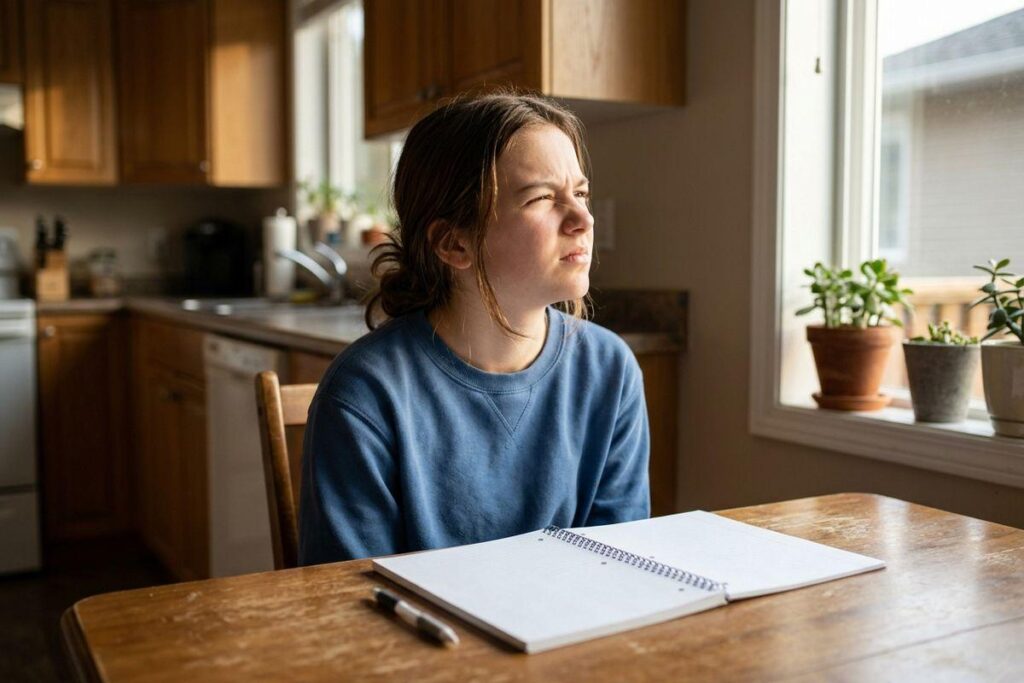
Kids rarely say “I can’t see.” They adapt instead, so it’s best to pay attention to their behaviour. Look for:
- Trouble seeing the classroom whiteboard.
- Frequent blinking or eye rubbing.
- Sitting very close to the TV or holding screens near their face.
Significance of Myopia
Myopia doesn’t only mean having to wear glasses – being nearsighted also impacts the future health of your eye by increasing your risk of eye diseases including retinal detachment, glaucoma and macular disease.
There are ways now that your optometrist can slow down how quickly your child’s prescription changes, and therefore reduce the risk of them developing eye disease secondary to their myopia in the future. This is why early examination is so critical for kids.
How an Eye Doctor in Kelowna Can Help
An eye exam can help turn your suspicion into an answer. An optometrist can confirm whether you or your child have myopia and suggest how to go about correcting your vision.
Glasses and contact lenses are the usual options. For kids, myopia control approaches can help manage how a prescription changes over time.
Book Your Next Eye Exam
Blurry road signs and tired eyes don’t have to be part of your routine. Our team at Tutt Street Optometry has cared for Kelowna eyes since the late ’80s, and our office is wheelchair accessible.
Book an appointment with an eye doctor in Kelowna and find out what’s behind the blur.